
Homeopathy for Depression
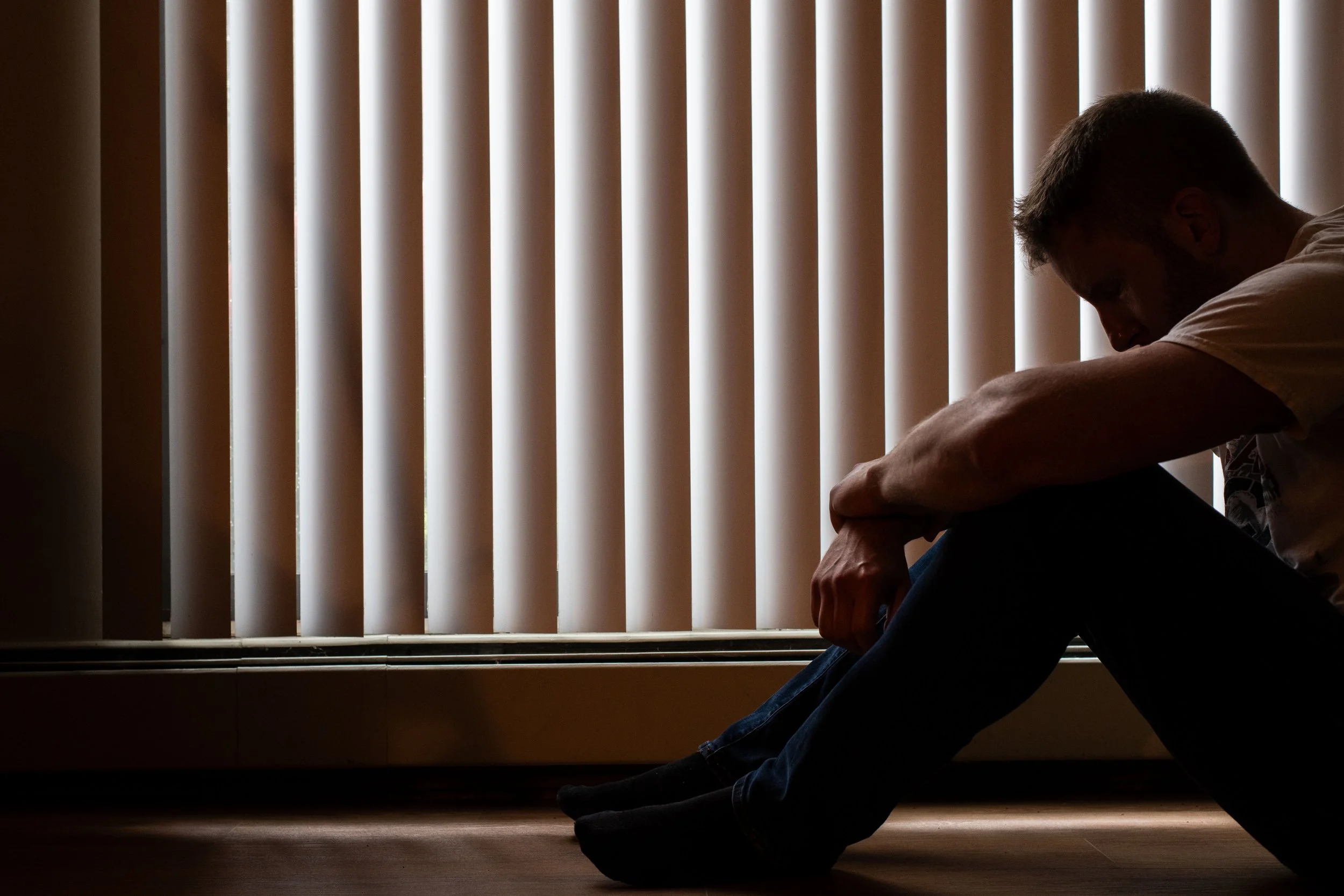
Have you been feeling stuck in a fog, disconnected from yourself, or like you're simply going through the motions of life? Depression can affect every part of our being, our energy, motivation, relationships, sleep, and sense of purpose. It can make even the smallest tasks feel overwhelming.
If you've been struggling, please know you're not alone. Many people are looking for ways to support their emotional wellbeing, whether alongside conventional treatment or as part of a broader holistic approach. Homeopathy is one option that some people choose to explore.
How Homeopathy May Support You
Homeopathy takes a holistic approach, focusing on the whole person rather than a diagnosis. Two people may both be experiencing depression, but their experiences can look completely different.
One person may feel numb and withdrawn, wanting to be left alone. Another may feel deeply emotional and tearful, craving comfort and reassurance. Someone else may feel irritable, exhausted, and overwhelmed by responsibilities.
In our sessions, I'll take time to understand your unique experience. We'll explore questions such as:
When did these feelings begin?
Was there a particular trigger or life event?
How has your mood changed over time?
What impact is it having on your sleep, energy, motivation, and relationships?
What makes you feel better or worse?
Every detail helps build a picture of how your mind and body are responding to what you've been through.
Finding the Right Remedy
In homeopathy, symptoms are viewed as clues. The aim is to find a remedy that closely matches your individual experience.
After our consultation, I spend time researching the remedy that best fits your symptom picture. Homeopathy is never one-size-fits-all. The same diagnosis may lead to completely different remedies depending on the person sitting in front of me.
Here are a few remedies that homeopaths commonly consider when working with people experiencing low mood and emotional distress.
Ignatia amara
Grief, heartbreak, disappointment
Emotional ups and downs
Sighing frequently
Feeling unable to move on from a loss
Sensitive but trying to hold it together
Often considered when symptoms begin after emotional shock or bereavement.
Natrum muriaticum
Withdrawn and private
Dwells on past hurts
Finds it difficult to open up emotionally
Prefers to cope alone
Sensitive to rejection
The classic "I'll deal with it myself" type.
Sepia
Feels emotionally flat or disconnected
Irritable with loved ones
Exhausted by responsibilities
Wants to be left alone
Feels overwhelmed by daily life
Often considered when someone feels they've simply run out of emotional reserves.
Aurum metallicum
Deep feelings of failure or worthlessness
Suicidal thoughts
High expectations of themselves
Strong sense of responsibility
Depression that may feel very heavy and serious
Feels they have let others down
A remedy often associated with people who are hard on themselves and carry a great deal of pressure.
Final Thoughts
Perhaps depression isn't simply something that needs to be pushed away or ignored. Sometimes it can be an invitation to listen more closely to ourselves.
Low mood often develops for a reason. It may follow grief, chronic stress, burnout, trauma, disappointment, or years of putting everyone else's needs before our own. When we begin to understand the story behind our symptoms, they can start to make a little more sense.
Homeopathy approaches this process with curiosity and compassion. It looks beyond labels and seeks to understand the person beneath the symptoms, their experiences, patterns, and emotional landscape.
And while healing is rarely a straight line, many people find that with the right support, things can begin to shift. Energy slowly returns. Colours seem brighter. Motivation comes back in small but meaningful ways.
If you're curious about exploring a more individualised approach to emotional wellbeing, perhaps that's a conversation worth having.
Before you go, I want to gently remind you that if you're experiencing severe depression, thoughts of harming yourself, or feel that life is no longer worth living, please reach out for immediate support. Speak to your GP, mental health team, a trusted loved one, or emergency services. You do not have to carry that weight alone. Homeopathy can be explored as part of a wider support network, but urgent mental health concerns always deserve prompt professional care.